
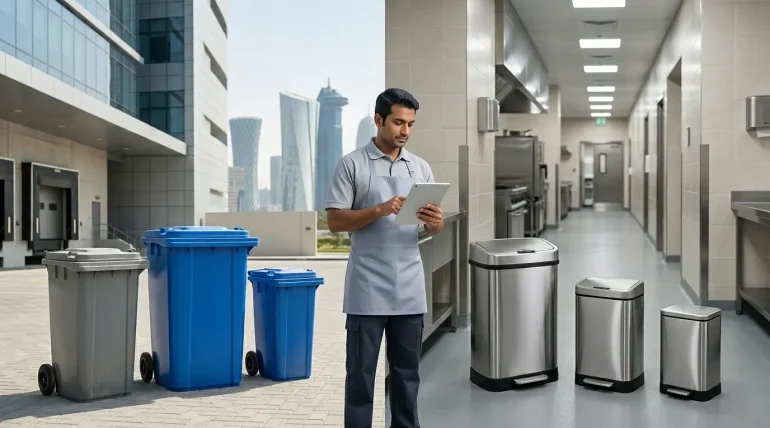
Stainless steel and plastic bins are one of the most widely used waste solutions across commercial, industrial, and residential sites, but choosing between materials is not always straightforward. Many businesses today find themselves comparing durability, hygiene, and cost before deciding what actually fits their operational environment. From warehouses and construction sites to restaurants and office buildings, the right bin choice can directly impact cleanliness, efficiency, and long-term waste handling performance.
In this article, we’ll break down the real differences between plastic and stainless steel options, helping you understand where each one works best and what factors should guide your decision.
What Is the Actual Difference Between Plastic and Stainless Steel Bins?
The main difference between stainless steel and plastic bins in:
- Durability.
- Weight.
- Hygiene.
- Cost.
Plastic wast bins are typically lighter, easier to move, and more affordable, while stainless steel bins are stronger, more hygienic, and better suited for high-traffic or controlled environments.
Bin Lift can help businesses assess their site conditions and recommend the garbage bins type that is more suitable for daily operations.
Where Are Plastic Bins Typically Used and Why?
Plastic garbage bins are commonly used in environments where mobility, cost efficiency, and ease of handling are important. They are especially practical in:
- Offices and administrative buildings.
- Retail stores and shopping areas.
- Residential compounds and housing projects.
- Light commercial facilities.
- General waste collection points.
They are popular because they are lightweight, resistant to corrosion, and available in different capacities such as heavy duty plastic bins for industrial use, and even for higher waste volumes.
Where Do Stainless Steel Bins Perform Better?
Stainless steel bins are preferred in environments that require higher hygiene standards and stronger structural performance. They are better suited for:
- Hospitals and healthcare facilities.
- Food processing and preparation areas.
- High-end commercial spaces.
- Industrial sites requiring heavy resistance.
- Areas exposed to frequent cleaning and sanitization.
A steel bin offers superior resistance to impact, heat, and long-term wear, making it ideal for demanding environments where appearance and hygiene are critical factors.
How Do Plastic and Stainless Steel Bins Hold Up in Qatar’s Heat?
Qatar’s high temperatures and strong sunlight can significantly affect waste container performance over time.
Plastic bins generally perform well when made from UV-stabilized materials, but prolonged exposure can still lead to fading or reduced flexibility if lower-quality materials are used.
However, they remain a practical and cost-effective option for most outdoor applications.
Stainless steel bins, on the other hand, handle extreme heat better and maintain their structural integrity for longer periods.
They are less affected by UV exposure and are more resistant to deformation, making them suitable for demanding outdoor environments or long-term installations.
Which Bin Material Is Easier to Clean and Maintain on a Busy Site?
In general, plastic bins are easier to clean because they have smooth, non-corrosive surfaces that can be quickly washed and disinfected without special treatment.
They are also lighter, which makes handling and routine maintenance simpler for staff.
Stainless steel bins, while hygienic, often require more careful cleaning to avoid streaks, fingerprints, and surface marks.
However, they maintain a more premium appearance in environments where presentation is important.
Bin Lift helps businesses choose maintenance-friendly waste solutions that match the workload and cleaning capacity of their teams.
How Long Do Plastic Garbage Bins Last Compared to Stainless Steel?
The lifespan of a plastic garbage bins system depends on material quality and exposure conditions.
High-quality bins can last several years, especially when used indoors or in moderate outdoor environments.
Over time, UV exposure and heavy impact can reduce durability if not properly specified.
In contrast, stainless steel typically lasts longer due to its resistance to impact, corrosion, and structural wear.
Which Bin Type Works Better for Outdoor Spaces in Qatar?
Outdoor environments in Qatar require careful consideration due to heat, dust, and strong sunlight.
Plastic bins can perform well outdoors when UV-resistant materials are used, making them suitable for many commercial sites such as offices, residential compounds, and retail areas.
For heavier-duty outdoor use, especially in high-traffic or industrial zones, metal options may offer greater stability and resistance to environmental stress.
Bin Lift assists businesses in selecting outdoor-ready waste systems designed to withstand local climate conditions while maintaining operational efficiency.
Does the Type of Waste Affect Whether You Should Choose Plastic or Steel?
Yes, waste type plays a major role in selecting the right system. Plastic bins are generally suitable for:
- General waste.
- Packaging materials.
- Light commercial use.
They are commonly used in offices, retail spaces, and service-based environments.
However, heavier, hotter, or more demanding waste streams may require stronger materials that can withstand impact, heat exposure, or frequent sanitization. This is especially relevant in:
- Food production.
- Healthcare.
- Industrial operations.
Can You Use Both Plastic and Stainless Steel Bins on the Same Site?
Yes, many facilities successfully combine both types depending on functional zones.
In fact, plastic bins are often used in general waste and high-mobility areas, while stainless steel units are placed in hygiene-sensitive or high-traffic zones where appearance and durability matter more. A mixed setup can include:
- Plastic units for offices, corridors, and outdoor collection points
- Steel containers for kitchens, clinics, or premium customer areas
This hybrid approach improves efficiency without forcing a single material choice across the entire site.
Bin Lift helps businesses design mixed-material waste systems that balance cost, durability, and operational practicality.
What Sizes Are Available for Each Bin Type?
Both plastic and steel options come in multiple sizes depending on usage intensity and waste volume.
For plastic bins, size ranges are typically more flexible, including small indoor containers and larger capacity units designed for commercial environments.
Steel versions are usually available in fixed commercial sizes optimized for durability and hygiene compliance rather than mobility.
Bin Lift provides a wide range of bin sizes to suit every need, offering plastic options in 30L, 50L, 60L, 80L, 100L, 120L, 240L, 360L, 660L, and 1,100L, as well as stainless steel bins in 5L, 8L, 12L, 20L, 30L, 36L, 52L, and 71L to match different commercial and operational requirements.
How to Decide Which Bin Type Your Facility Actually Needs
Choosing the right system depends on usage patterns rather than appearance alone. Key decision factors include:
- Type of waste generated (general, food, industrial).
- Cleaning and hygiene requirements.
- Staff handling frequency.
- Budget and long-term maintenance expectations.
- Indoor vs outdoor placement conditions.
Bin Lift supports on-site assessments to help businesses select bin types that match operational reality rather than assumptions.
How The Bin Lift Supplies Plastic and Stainless Steel Bins Across Qatar
Bin Lift provides a structured supply and rental service that covers both materials to ensure businesses get the right fit from the start.
For plastic bins, the focus is on flexible deployment across offices, commercial complexes, and industrial sites where adaptability is important. Waste management service coverage typically includes:
- Short-term and long-term rental options with garbage disposal services.
- Different bin sizes for varying waste volumes.
- Scheduled waste collection and maintenance support.
- Replacement and scaling as business needs change.
Whether a facility requires upgrading to large plastic bins or needs industrial plastic bins, or durable steel installations, Bin Lift ensures consistent availability and reliable waste handling across Qatar.
Get in touch today for expert guidance, flexible options, and a waste management plan tailored to your operational needs.
FAQs
Which is better, plastic or stainless steel bins?
It depends on usage. Plastic bins are more cost-effective and flexible, while stainless steel bins are stronger and better for hygiene-sensitive environments.
Are stainless steel bins worth it?
Yes, especially for high-traffic or hygiene-critical areas. They last longer and maintain a clean appearance, but they cost more than plastic alternatives.
Do plastic bins work well for outdoor use?
Yes, many plastic garbage bins are suitable for outdoor use if they are UV-resistant and designed for commercial environments.
Can I use both plastic and steel bins together?
Yes, many sites combine plastic garbage bins for general areas and stainless steel bins for kitchens or premium zones.
How do I choose the right bin type for my business?
It depends on waste volume, hygiene needs, and location. A professional assessment helps determine whether plastic or steel bins are more suitable.