Skip hire size is one of the most important decisions you will make when planning any construction or renovation project in Qatar. Choosing the correct size directly affects how efficiently waste is managed on site, how often collections are needed, and ultimately how smoothly your project runs from start to finish. In this article, we will explain the different skip hire size available in Qatar, how to estimate the right size for your project, and how Bin Lift’s skip hire solutions can help you manage waste more efficiently and cost-effectively.
What Skip Bin Sizes Are Available in Qatar?
In Qatar, the most commonly used skip bin sizes are designed to suit a wide range of residential, commercial, and industrial projects, ensuring flexibility for different waste volumes.
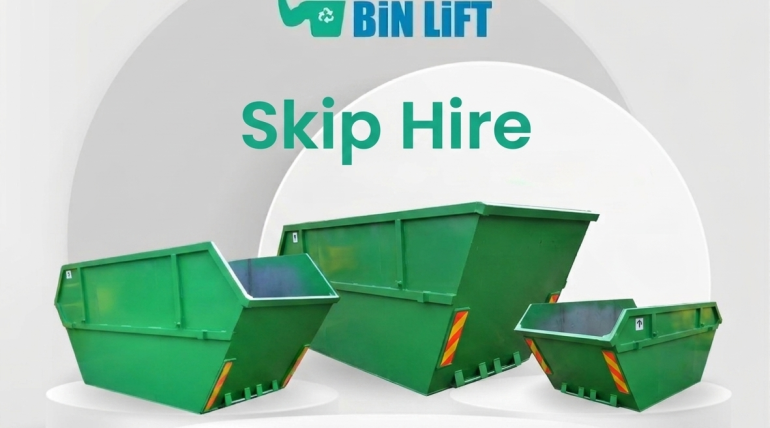
The standard skip hire size available in the market includes:
These options cover everything from small home cleanups to large-scale construction waste management.
Bin Lift stands out as one of the leading providers of skip bin hire in Qatar, offering a wide range of skip bin sizes tailored for different project requirements.
What Is the Difference Between a Skip Bin and a Skip Container?
Choosing between different waste solutions becomes easier when you understand the distinction.
The following table shows you the main differences between a skip bin and a skip container, helping you better evaluate skip container sizes and skip bin sizes when selecting the right skip hire size for your project:
| Skip Bin | Skip Container | |
| Design | Open-top structure for easy loading | More enclosed and structured |
| Usage | General waste, construction debris, household waste | Heavy-duty industrial or large-scale waste |
| Mobility | Easier to load but less secure | Better for transport and containment |
| Size Range | Common skip bin sizes from 5 to 30 cubic meters | Wider skip container sizes for industrial use |
| Best Use Case | Residential and standard construction projects | Large industrial or commercial projects |
How Much Waste Can Each Skip Size Hold?
A 5 cubic meter skip is generally suitable for small home cleanouts or minor renovation work, holding roughly the equivalent of a few rooms of light waste.
A 7 cubic meter skip is slightly larger and fits medium residential projects such as kitchen or bathroom renovations.
For larger construction projects, an 11 cubic meter skip offers significantly more capacity, making it ideal for ongoing building work or bulkier materials.
The 20 cubic meter skip is commonly used for commercial projects or large-scale demolition waste.
While the 30 cubic meter skip is designed for major industrial sites where continuous waste generation requires maximum capacity.
Bin Lift provides all skip hire size as part of its reliable skip service in Qatar, helping clients choose the most efficient skip bin sizes based on real project needs.
How to Match the Skip Bin Size to Your Project Scope
Selecting the right skip hire size is not only about estimating waste volume, but also about aligning the bin capacity with the overall scope of your construction or renovation project. As:
- For small residential tasks like garden cleanups or minor refurbishments, smaller skip bin sizes are usually sufficient.
- Medium-scale projects such as apartment renovations or shop fit-outs typically require mid-range options.
- Large construction sites need high-capacity bins to maintain continuous waste flow.
Bin Lift supports this process by providing a flexible skip service in Qatar, allowing clients to select from multiple skip container sizes based on actual project requirements.
Why Choosing the Wrong Skip Size Can Cost You More
Incorrectly estimating your skip hire size can significantly increase both time and financial costs during a project. As:
- If the skip is too small, you may need additional pickups or extra bins, which disrupts workflow and increases service charges.
- Choosing a bin that is too large means paying for unused capacity that your project does not actually require.
- Inconsistent planning of skip bin sizes can also lead to site congestion and safety risks due to unmanaged waste buildup.
That is why accurate assessment of skip container sizes is essential before booking any skip service.
With Bin Lift’s skip service in Qatar, clients benefit from professional guidance that helps avoid these costly mistakes.
What Type of Waste Are You Disposing Of?
The type of waste you generate plays a major role in determining the correct skip hire size.
- Light waste such as packaging materials, wood, and general household debris may require smaller skip bin sizes
- Heavier materials like concrete, bricks, and steel often need larger skip container sizes due to their weight and compact nature.
Mixing different waste types without planning can quickly fill a bin and reduce its effective capacity.
How Construction Sites in Qatar Should Plan Skip Requirements
Effective waste management planning is a critical part of any construction project in Qatar, and it begins with selecting the right skip hire size from the early stages of the project. As:
- Large projects often require multiple skip bin sizes operating simultaneously to separate different types of waste and maintain site organization.
- Planning ahead also reduces downtime caused by waiting for bin replacements or additional collections, which can slow down overall progress.
Bin Lift provides structured skip service in Qatar that supports construction companies across Doha, Al Rayyan, Al Wakrah, and Lusail.
Their range of skip bin sizes and reliable scheduling allows contractors to plan waste removal efficiently while maintaining compliance with environmental standards.
When Is a 5 or 7 CBM Skip the Right Choice?
A 5 or 7 cubic meter skip is usually sufficient when waste generation is limited and space on site is restricted. A 5 or 7 CBM skip is the right skip hire size when:
- You are doing small home renovations (bathroom, kitchen, or single-room updates).
- You are clearing garden waste or light household debris.
- The project duration is short.
- Site access is limited and requires compact skip bin sizes.
When Do You Need an 11 CBM Skip?
An 11 cubic meter skip is considered a mid-range option and is ideal when waste volume becomes more consistent and heavier over time. You typically need an 11 CBM skip when:
- Renovating full apartments or medium-sized villas.
- Working on retail or office fit-outs.
- Handling mixed construction debris (wood, plaster, tiles).
- The project lasts several weeks with steady waste accumulation.
Should You Choose a 20 or 30 CBM Skip for Large Waste Loads?
Large-scale construction and industrial projects require careful planning when selecting a skip hire size, especially when waste is heavy and continuous.
In general:
- 20 CBM skip is suitable for large construction sites with moderate-to-heavy waste
- 30 CBM skip is the best for industrial-scale projects and continuous high-volume waste output
A 20 or 30 CBM skip is the right choice when:
- Managing demolition or major structural work.
- Handling bulk garbage like concrete, steel, or heavy mixed waste.
- Working on commercial or infrastructure projects.
- You need fewer garbage collections and maximum on-site capacity.
What to Check Before Placing a Skip on Site
Before booking any skip hire size, proper site preparation is essential to avoid delays or compliance issues. Construction teams should evaluate several key factors:
- Access space: Ensure trucks can safely deliver and collect the skip.
- Ground stability: The surface must support heavy skip bin sizes.
- Permits: Check local requirements for placing skips in public or shared areas.
- Waste type: Confirm what materials are allowed in the selected skip container sizes.
- Safety clearance: Avoid blocking entrances, roads, or emergency access points.
How Often Should a Skip Be Collected from an Active Site?
Active construction sites require more structured planning to avoid overflow and maintain workflow efficiency. General guidelines:
- Small projects (5–7 CBM skips): Collection every few days or once per week.
- Medium projects (11 CBM skips): Weekly or bi-weekly collection depending on activity level.
- Large projects (20–30 CBM skips): Scheduled collections based on phased construction milestones.
However, here are some key factors that will affect collection frequency, including:
- Rate of waste production
- Type of materials being disposed of
- Available space for additional skip bin sizes
- Project timeline and contractor workflow
With Bin Lift’s skip service in Qatar, collection schedules can be adjusted based on real site needs.
Common Mistakes Businesses Make When Hiring a Skip in Qatar
When hiring a skip in Qatar, many companies focus only on availability instead of planning based on actual waste output and project scope. Other common mistakes include:
- Underestimating waste volume, leading to frequent overflows and extra collections.
- Overbooking large skip hire size, which increases costs without real need.
- Ignoring waste type, which affects how efficiently skip container sizes are used.
- Poor timing of skip delivery, causing delays in active work phases.
- Not coordinating with site workflow, resulting in blocked access or safety issues.
How to Request the Right Skip Size from Your Provider
To avoid inefficiencies, businesses need to clearly communicate their requirements when booking a skip hire size. So, when requesting a skip, make sure to:
- Describe the project type (construction, demolition, renovation, commercial cleanout)
- Estimate waste volume realistically, including potential increase over time
- Specify waste type, such as concrete, wood, mixed debris, or light materials
- Clarify site conditions, including access limitations and placement area
- Ask for guidance on skip bin sizes, rather than selecting blindly
How The Bin Lift Helps You Choose the Right Skip Size in Qatar
Bin Lift plays a key role in simplifying waste management decisions for businesses and contractors by helping them select the correct skip hire size based on real project requirements rather than guesswork. They support clients by:
- Offering a full range of skip bin sizes, from small residential skips to large industrial containers.
- Providing expert consultation, helping match skip sizes to project scope and waste type.
- Delivering tailored skip service in Qatar across Doha, Al Rayyan, Al Wakrah, and Lusail.
- Ensuring fast and reliable scheduling, so skips are available when needed.
- Supporting compliance with environmental standards, ensuring safe and regulated waste handling.
Their skip bin hire solutions are designed for residential, commercial, and industrial sectors, making it easier to manage waste efficiently at every stage of a project.
Contact Bin Lift today for reliable skip hire in Qatar and get the right skip size for your project with fast and efficient service.
FAQs
How do I choose the right skip hire size?
It depends on your project type, waste volume, and duration. Smaller jobs need 5–7 CBM skips, while larger construction projects may require 20–30 CBM.
What skip bin sizes are available in Qatar?
Common skip bin sizes include 5, 7, 11, 20, and 30 cubic meters to suit residential, commercial, and industrial needs.
How long can I keep a skip on site?
The duration depends on your agreement with the provider, but most skip service in Qatar options offer flexible rental periods based on project needs.
What types of waste can go into a skip?
Most skips accept construction debris, wood, metal, and general waste, but hazardous materials are usually restricted.