
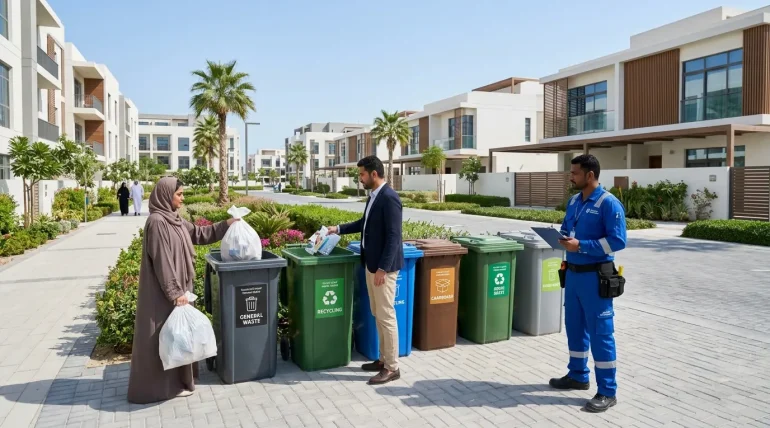
Residential waste disposal plays a major role in maintaining clean, healthy, and well-organized residential compounds across Qatar. As communities continue to grow, managing everyday waste efficiently becomes increasingly important for residents, property managers, and facility operators alike. Without a clear waste management strategy, compounds can quickly face challenges such as overflowing bins, unpleasant odors, pest issues, and reduced resident satisfaction.
In this guide, we’ll explore practical ways to manage waste more effectively and how Bin Lift helps residential communities simplify residential waste disposal through reliable waste management solutions tailored to Qatar’s growing housing sector.
Why Waste Management in Residential Compounds Needs a Structured Approach
Managing waste in a residential community involves much more than placing bins around the property.
A structured approach to residential waste disposal helps ensure waste is collected efficiently, common areas remain clean, and residents have convenient access to disposal points. A well-planned system typically includes:
- Clearly designated waste collection areas.
- Appropriate bin sizes for the number of residents.
- Regular collection schedules.
- Waste segregation where applicable.
- Ongoing monitoring and maintenance.
Bin Lift supports residential communities with tailored waste solutions, helping property managers establish efficient and reliable waste management systems.
What Types of Household Waste Do Residential Compounds Generate?
Residential compounds generate a variety of waste streams that require different handling methods. Common types include:
- Food scraps and organic waste.
- Plastic bottles and packaging.
- Paper and cardboard.
- Glass containers.
- Metal cans.
- Garden and landscaping waste.
- General non-recyclable waste.
Understanding these waste types is essential for effective residential waste disposal planning.
How Much Waste Does a Typical Residential Compound Produce Per Week?
The amount of waste generated varies depending on the size of the compound, occupancy levels, and resident lifestyles.
However, even a medium-sized residential community can produce a significant volume of waste each week, making effective residential waste disposal essential.
Factors that influence weekly waste generation include:
- Number of residential units.
- Average household size.
- Community facilities and amenities.
- Seasonal occupancy fluctuations.
- Landscaping and maintenance activities.
Regular monitoring of household waste collection volumes helps property managers determine whether current bin capacities and collection schedules are sufficient or require adjustment.
How to Set Up a Household Waste Collection System Across Multiple Compound Units
A successful waste collection system starts with convenience and consistency. For effective residential waste disposal, collection points should be distributed strategically throughout the compound so residents can easily access them without creating congestion or long walking distances. Key steps include:
- Assessing the number of residential units and occupants.
- Identifying high-traffic areas for bin placement.
- Providing clearly marked waste collection stations.
- Ensuring safe access for collection vehicles.
- Establishing a consistent collection schedule.
- Monitoring waste volumes and adjusting capacity when needed.
Bin Lift helps residential compounds design practical waste collection layouts and provides suitable bins for different community sizes.
What Bin Sizes Work Best for Residential Compound Waste Management?
The right bin size depends on the number of residents, waste generation rates, and collection frequency. Common considerations include:
- Small compounds may require medium-capacity bins at multiple locations.
- Larger communities often benefit from centralized high-capacity waste stations.
- Shared facilities such as gyms, parks, and clubhouses may need dedicated bins.
Choosing appropriately sized bins is an important part of effective residential waste disposal because undersized bins can overflow while oversized bins may use unnecessary space.
Bin Lift is the best garbage bin suppliers in Qatar that offers a variety of bin sizes and helps property managers determine the most efficient setup based on actual waste volumes.
How Often Should Waste Be Collected from a Residential Compound in Qatar?
A reliable residential waste disposal schedule should be based on occupancy levels, climate conditions, and the amount of waste generated within the community.
Factors that influence collection frequency include:
- Number of residents.
- Seasonal population changes.
- Presence of food and organic waste.
- Available bin capacity.
- Local environmental conditions.
In many compounds, frequent collection helps prevent odors, pest activity, and overflowing bins, particularly during warmer periods of the year.
Bin Lift provides flexible garbage collection schedules that can be adjusted to match the specific needs of residential communities across Qatar.
How to Handle Bulky Waste and Furniture Disposal in a Compound
Large items such as furniture, mattresses, appliances, and renovation debris require special handling procedures.
Here are the best practices for optimally handling this type of bulky waste:
- Creating designated bulky-waste drop-off areas.
- Informing residents about disposal guidelines.
- Scheduling dedicated pickup days.
- Preventing large items from blocking regular waste collection points.
- Coordinating with professional service providers for removal.
Having a structured process for residential waste removal helps keep common areas clear and prevents disruptions to routine waste operations.
Bin Lift supports residential compounds with waste collection solutions that can accommodate both regular household waste and larger disposal requirements.
How Qatar’s Climate Affects Waste Management in Residential Compounds
Qatar’s climate creates unique challenges for waste handling, particularly during the hotter months.
High temperatures can accelerate the decomposition of organic waste, leading to stronger odors and increased pest activity if waste is not managed properly.
For this reason, an effective residential waste disposal strategy should account for seasonal conditions and ensure that waste does not remain in collection points for extended periods.
Bin Lift provides waste collection solutions designed to help residential compounds maintain cleanliness and efficiency throughout Qatar’s climate conditions.
What Responsibilities Do Compound Managers Have for Residential Waste Disposal in Qatar?
Compound managers play a central role in maintaining an effective residential waste disposal system. Key responsibilities typically include:
- Providing sufficient waste collection points.
- Monitoring bin capacity and usage.
- Coordinating service providers.
- Maintaining cleanliness around waste stations.
- Communicating disposal guidelines to residents.
- Ensuring compliance with community regulations.
Managers who actively oversee waste operations can improve resident satisfaction while reducing waste-related complaints.
Common Waste Management Problems in Qatar Compounds and How to Fix Them
Many residential communities encounter recurring waste-related issues that can affect cleanliness and resident experience. Common challenges include:
- Overflowing bins due to insufficient capacity.
- Poor waste segregation practices.
- Irregular collection schedules.
- Waste accumulation around collection points.
- Pest and odor issues.
- Improper household waste disposal by residents.
A proactive approach to residential waste collection and disposal helps prevent these problems before they become costly or disruptive. Solutions often involve:
- Increasing capacity.
- Improving communication with residents.
- Reviewing collection schedules.
- Working with experienced waste management providers like Bin Lift.
How to Set Up a Reliable Waste Collection Schedule for Your Compound
Effective residential waste disposal depends on matching collection frequency with actual waste generation rather than relying on fixed assumptions.
When creating a schedule, consider:
- Number of occupied units.
- Average weekly waste volume.
- Seasonal occupancy changes.
- Type of waste generated.
- Available storage capacity.
- Requirements for household waste removal services.
How The Bin Lift Supports Household Waste Management for Residential Compounds in Qatar
Managing waste across a residential community requires a combination of appropriate equipment, reliable service, and ongoing operational support. Bin Lift supports compounds through:
- Supply of waste bins in multiple sizes.
- Customized collection schedules.
- Waste volume assessments.
- Support for routine and bulk waste collection.
- Solutions tailored to community requirements.
- Assistance with efficient home waste disposal processes.
By helping property managers implement practical and scalable waste systems, Bin Lift makes it easier to maintain clean, organized, and well-managed residential environments across Qatar.
Bin Lift provides end-to-end waste management support, helping residential compounds maintain efficient and reliable household waste management practices.
Contact Bin Lift today for customized waste collection solutions, flexible service schedules, and professional support tailored to your community’s needs across Qatar.
FAQs
What is residential waste disposal?
It is the process of collecting, managing, and removing waste generated by homes and residential communities.
How often should waste be collected in a residential compound?
Collection frequency depends on the number of residents and waste volume, but regular collection is essential to prevent overflow and odors.
Who is responsible for waste management in a residential compound?
Property managers or compound management teams are typically responsible for organizing waste collection and maintaining waste disposal areas.
Why is professional waste management important for residential compounds?
Professional waste management helps maintain cleanliness, improve resident satisfaction, reduce health risks, and ensure efficient waste handling throughout the community.