
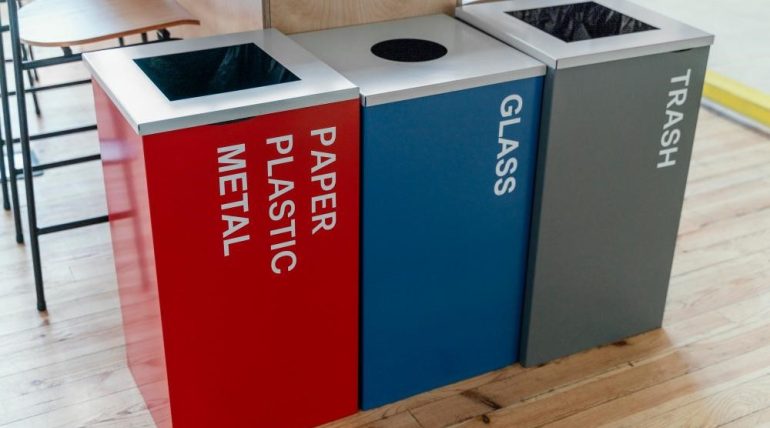
Recycling bins are becoming a key part of how modern businesses in Qatar manage their daily waste. From offices and restaurants to large commercial facilities, companies are increasingly adopting smarter waste separation systems to support cleaner and more organized environments. This shift is not just about compliance or appearance, but also about improving efficiency and supporting long-term sustainability goals in everyday operations.
In this article, we will explore why recycling systems are expanding across Qatari businesses, the different types of recycling bins being used in various environments, and how companies can benefit from more structured waste management solutions.
What Is Driving the Shift Toward Recycling Bins in Qatar Workplaces?
The increasing presence of recycling bins in Qatar workplaces is mainly driven by a combination of environmental policies, corporate responsibility goals, and operational efficiency needs.
Many businesses are now under greater pressure to reduce landfill waste and demonstrate measurable sustainability practices, especially in commercial and office environments.
Another key factor is the improvement in waste handling systems across the country.
Companies are no longer relying on single-stream disposal; instead, they are adopting structured systems that include office recycling bins placed at workstations and shared areas to encourage proper sorting at the source.
This reduces contamination and makes recycling more effective at later stages of processing.
Service providers like Bin Lift support this shift by offering organized waste management solutions that simplify collection, sorting, and transport, helping businesses stay consistent with recycling practices without disrupting daily operations.
What Types of Waste Can Actually Be Recycled in a Qatar Business?
Most businesses in Qatar can recycle a surprisingly wide range of materials when proper recycling containers are used and waste is sorted correctly at the source. Common recyclable categories include:
- Paper and cardboard from offices, packaging, and deliveries.
- Plastic materials such as bottles, containers, and packaging films.
- Glass items from hospitality and retail operations.
- Metal waste including cans and certain packaging materials.
In food service environments, recycling bins for kitchen use are especially important for separating organic waste from recyclable packaging.
This helps reduce contamination and improves the quality of recyclable output.
For larger operations such as warehouses, malls, and industrial sites, a large recycling bin is often used to manage high-volume waste streams like cardboard packaging and bulk plastic materials.
How Do Recycling Bins Differ from Regular Garbage Bins?
The main difference between recycling bins and regular garbage bins lies in their purpose, structure, and waste separation function.
Regular garbage bins are designed to collect mixed waste that is not intended for recovery. This typically includes:
- Contaminated materials.
- Food waste.
- Non-recyclable items that go directly to disposal facilities.
Recycling bins, on the other hand, are specifically designed to support waste separation at the source.
They are often color-coded or labeled to guide users in sorting materials such as paper, plastic, metal, or glass. This separation is essential for efficient recycling processing later in the chain.
What Recycling Bin Setup Works Best for an Office Environment?
The most effective office setup is the one that makes recycling easy, visible, and consistent for employees without disrupting daily workflow.
In most cases, this starts with placing office recycling bins in high-traffic and decision-making points rather than hidden corners. A practical office configuration usually includes:
- Desk-side bins or shared desk clusters for paper and light recyclables.
- Central collection points in hallways or near printers for paper and cardboard.
- Separate bins for plastics in pantry or break areas.
- Clearly labeled streams to reduce mixing of waste types.
In larger offices, adding a consolidated large recycling bin in a service or storage area helps reduce frequent emptying cycles and keeps operations smoother.
Bin Lift provides tailored office waste management solutions by supplying appropriate bin systems and coordinating efficient recycling collection schedules to keep office environments organized and compliant.
How to Set Up Recycling Bins in a Commercial Kitchen or Staff Room
Setting up recycling in kitchens and staff rooms requires a more practical and hygiene-focused approach because waste volume and contamination risk are both higher in these areas.
In commercial kitchens, recycling bins for kitchen use should be placed directly at points where waste is generated, such as:
- Food prep stations.
- Dishwashing areas.
- Near packaging disposal zones.
This reduces the chance of mixing food waste with recyclable materials. A strong setup typically includes:
- Separate bins for organic waste, plastics, and mixed recyclables.
- Easy-to-clean, durable commercial recycling bins.
- Clearly labeled stations at every major work zone.
- Compact bins under counters combined with larger shared units nearby.
Bin Lift supports commercial kitchens and staff areas by providing durable recycling bin systems designed for high-use environments and by organizing reliable collection routines that maintain cleanliness and efficiency.
How Many Recycling Bins Does Your Business Actually Need?
There is no fixed number, but the right setup depends on three main factors: business size, waste type, and daily foot traffic. A simple way to estimate needs:
- Small offices: 1 recycling point per 5 to 10 employees.
- Medium offices: recycling stations per department or floor.
- Large businesses: multiple stations plus centralized collection zones.
- Kitchens and hospitality spaces: bins placed per work station plus back-of-house bulk bins.
It is also important to separate waste streams properly rather than relying on a single mixed bin system.
Bin Lift helps businesses assess their actual waste volume and provides scalable recycling bin solutions with optimized placement and collection planning to match operational needs.
What Size Recycling Bin Works Best for High-Volume Business Waste?
For businesses that generate large amounts of waste daily, choosing the right bin size is critical to maintaining efficiency and preventing overflow.
High-volume environments such as warehouses, malls, and busy offices typically require large recycling bin solutions that can handle continuous input without frequent emptying.
In most cases, size selection depends on waste generation rate rather than just floor space.
A business with heavy packaging waste, for example, may need multiple large-capacity garbage bins units placed at different operational points instead of a single central bin.
The goal is to reduce waste collection frequency while maintaining cleanliness and workflow efficiency.
Bin Lift provides businesses with properly sized recycling bin systems and organizes scheduled recycling collection plans tailored to high-volume operational needs.
How Color-Coded Recycling Bins Help Staff Sort Waste Correctly
Color-coded systems are one of the most effective ways to improve recycling accuracy in workplaces.
By assigning specific colors to different waste streams, employees can quickly identify where each item should go without needing detailed instructions. Typical color-coded garbage bin systems include:
- Blue for paper and cardboard.
- Green for glass or general recyclables.
- Yellow for plastics and mixed recyclables.
- Black or gray for non-recyclable waste.
Bin Lift supports businesses by providing clearly labeled and color-coded bin systems that simplify sorting and improve the effectiveness of recycling operations. Such as:
- 4-In-1 Recycling Bin (240L): A high-capacity recycling station divided into four compartments for paper, cans, general waste, and plastic, designed for busy environments that require full waste separation in one unit
- 3-In-1 Recycling Bin (180L): A practical waste sorting solution with three sections for plastic, paper, and general waste, ideal for offices and shared spaces that need structured but space-efficient recycling.
- 2-In-1 Recycling Bin (120L): A compact dual-compartment bin for separating general waste and paper, suitable for smaller offices or focused work zones where basic recycling is needed
How Recycling Bins Can Help Your Business Reduce Waste Disposal Costs
A well-structured recycling system can significantly lower waste disposal costs over time.
When materials are properly separated using recycling bins, businesses reduce the volume of general waste that requires expensive disposal methods. Key cost-saving factors include:
- Lower landfill disposal fees due to reduced mixed waste.
- Fewer waste pickups required when using efficient sorting systems.
- Potential revenue or value recovery from recyclable materials.
- Improved efficiency in recycling collection logistics.
By separating waste at the source, businesses avoid contamination, which often leads to higher processing costs.
Common Mistakes Businesses Make When Setting Up Recycling Bins
Many businesses invest in recycling systems but fail to achieve results due to poor setup or lack of planning.
One of the most common mistakes is placing too few bins or positioning them in low-traffic areas, which discourages use. Other frequent issues include:
- Mixing all waste types in a single bin.
- Poor labeling or unclear instructions.
- Not providing enough office recycling bins in key areas.
- Ignoring kitchen and staff room separation needs.
- Overlooking recycling collection schedules.
Bin Lift helps businesses avoid these mistakes by assessing waste flow and designing structured recycling systems that match real operational behavior.
How to Get Recycling Bins Set Up Across Your Business in Qatar
Setting up recycling bins across a business in Qatar requires a structured approach that considers space, waste type, and operational flow. A proper setup includes:
- Identifying high-traffic waste points across offices and facilities.
- Installing office recycling bins in workspaces and shared areas.
- Adding commercial recycling bins in service zones and loading areas.
- Placing recycling bins for the kitchen in food preparation spaces.
- Establishing a consistent labeling and color system.
- Scheduling regular recycling collection routes.
Bin Lift supports full implementation across Qatar by handling bin supply, system design, and coordinated collection services to ensure consistent recycling performance across all business locations.
How The Bin Lift Supplies and Supports Recycling Bin Solutions in Qatar
Bin Lift plays a central role in supporting businesses across Qatar by delivering complete recycling solutions rather than standalone products. Their approach typically includes:
- Supplying suitable recycling bins for different business environments
- Providing durable commercial recycling bins for high-use areas
- Installing large recycling bin systems for bulk waste management
- Supporting recycling collection through scheduled pickup services
- Assisting businesses with system design and placement planning
By aligning bin supply with operational needs, Bin Lift ensures that recycling systems remain practical and consistently used across offices, kitchens, and industrial spaces.
Bin Lift provides end-to-end recycling bin supply and coordinated recycling collection services across Qatar, helping businesses maintain efficient and structured waste management systems.
Contact Bin Lift to get tailored recycling bin solutions, proper setup guidance, and scheduled recycling collection services designed to fit your operational needs in Qatar.
FAQs
What is recycling waste?
Recycling waste refers to materials such as paper, plastic, glass, and metal that can be collected, processed, and reused instead of being sent to landfill.
What is a recycle bin?
A recycle bin is a container designed to collect recyclable materials separately from general waste, making sorting and recycling more efficient.
What are the different types of recycling bins?
Common types include paper recycling bins, plastic recycling bins, mixed recycling bins, kitchen recycling bins, and multi-compartment bins for separating several waste streams in one unit.
Why are recycling bins important for businesses?
Recycling bins help businesses reduce landfill waste, improve sustainability efforts, support waste compliance, and create cleaner, more organized workplaces.