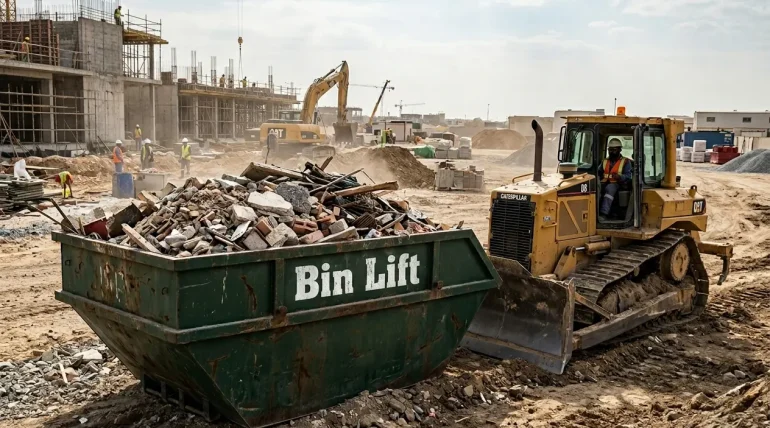
Construction waste disposal is one of the most critical aspects of any building project in Qatar, especially as the construction sector continues to expand across residential, commercial, and infrastructure developments. Proper handling of waste on site is not just about keeping the area clean, but it directly affects safety, project efficiency, and compliance with environmental regulations. In Qatar’s construction environment, managing c&d waste, demolition waste, and general building debris requires a structured and well-planned approach
In this article, we will explain the key challenges of construction waste in Qatar, the types of waste contractors deal with on site, and best practices for handling and disposing of it efficiently.
What Counts as Construction Waste in Qatar?
In Qatar, construction waste generally includes all materials generated during building, renovation, and infrastructure projects.
Typical materials classified as construction waste include:
- Concrete, cement, and masonry debris.
- Wood, metal, and steel offcuts.
- Packaging materials such as plastic, cardboard, and insulation.
- Tiles, ceramics, and plasterboard.
- Excavated soil and site clearing materials.
What Is the Difference Between Construction Waste and Demolition Waste?
Although both fall under construction waste disposal, construction waste and demolition waste differ mainly in origin, volume, and material condition. Where:
| Construction Waste | Demolition Waste | |
| Source | Generated during active building or renovation | Produced when structures are torn down |
| Composition | Mixed, often clean offcuts and packaging | Heavier, mixed rubble and broken materials |
| Volume | Moderate and continuous | Large, sudden quantities |
| Material Condition | Often reusable or recyclable | Mostly broken and contaminated debris |
| Handling Needs | Regular removal and sorting | Heavy-duty building debris removal and bulk transport |
What Contractors Should Know About Building Debris Removal in Qatar
Efficient building debris removal is a key responsibility for contractors in Qatar, especially given strict safety and environmental expectations on construction sites.
Poor waste handling can quickly lead to congestion, safety hazards, and project delays. Contractors should focus on:
- Scheduling regular waste collection to avoid site buildup
- Separating recyclable materials from general construction waste
- Ensuring safe storage of sharp or heavy debris
- Coordinating waste removal with project phases
- Using appropriate containers for different waste types
Effective construction waste disposal also requires choosing reliable waste management service providers, such as Bin Lift, who understand local regulations and can handle different project scales efficiently.
How Project Size Affects Construction Waste Disposal Requirements
The scale of a project has a direct impact on how construction waste disposal should be planned and executed. As:
- Small projects (residential renovations): Limited c&d waste, usually requiring periodic removal and basic sorting.
- Medium projects (commercial fit-outs): Steady waste generation requiring scheduled building waste management and multiple collections.
- Large projects (infrastructure or high-rise construction): High-volume demolition waste and continuous building debris removal with strict logistics planning.
What Should a Construction Waste Management Plan Include?
A well-structured construction waste collection and disposal plan is essential for keeping any project in Qatar organized, compliant, and cost-efficient. A proper building waste management plan should include:
- Waste estimation: Forecast expected c&d waste based on project scope.
- Segregation strategy: Define how different materials will be separated on site.
- Collection schedule: Plan regular building debris removal intervals.
- Storage zones: Allocate safe areas for temporary waste storage.
- Disposal method: Identify approved routes for recycling or landfill.
- Responsibility assignment: Clearly define who manages waste operations on site.
A strong plan ensures smoother construction waste management and reduces delays caused by unorganized waste handling.
Bin Lift supports contractors in Qatar with structured waste collection solutions that help implement these plans efficiently on-site.
Which Construction Waste Materials Should Be Sorted on Site?
Sorting materials at the source is one of the most effective practices in construction waste disposal, especially on busy construction sites in Qatar.
Common materials that should be separated include:
- Concrete and masonry (heavy c&d waste).
- Wood and timber offcuts.
- Metals such as steel and aluminum.
- Plastics and packaging materials.
- Electrical components and cables.
- Excavated soil and earth materials.
How to Manage Demolition Waste from Large Projects
Demolition waste is one of the most challenging aspects of construction waste disposal due to its volume, weight, and mixed composition. Key steps include:
- Pre-demolition assessment: Identify materials that can be reused or recycled
- Phased demolition: Break down structures in controlled stages
- Heavy-duty equipment: Use machinery suitable for large-scale c&d waste handling
- On-site separation: Sort materials like metal, concrete, and wood separately
- Frequent removal cycles: Schedule continuous building debris removal to avoid site overload
Bin Lift offers effective services to handle demolition waste and improve safety to ensure better construction waste management throughout large-scale projects.
What Happens When Construction Waste Is Not Managed Properly?
Poor building waste management can lead to serious operational, financial, and safety issues on construction sites in Qatar.
Common consequences when construction waste disposal is neglected include:
- Site congestion: Accumulated waste reduces working space and efficiency
- Safety hazards: Increased risk of accidents from sharp or heavy debris
- Project delays: Restricted movement slows down construction progress
- Higher costs: Emergency building debris removal is more expensive than planned disposal
- Regulatory issues: Potential fines for improper c&d waste handling
Bin Lift provides reliable waste handling support across Qatar to help contractors maintain clean and efficient sites throughout all project phases.
Can Contractors Remove Building Debris Themselves?
In theory, contractors can manage construction waste disposal on their own, but in practice it is often inefficient and risky without proper systems in place.
Handling building debris removal internally requires equipment, transport, and knowledge of local regulations.
So, for most medium and large projects, working with a specialized provider is more practical for reliable construction waste management.
How to Choose the Right Construction Waste Contractor in Qatar
Selecting the right partner for construction waste disposal is essential for keeping projects on track and compliant with regulations.
Not all providers offer the same level of service or coverage, so, when choosing a contractor, consider:
- Experience in c&d waste handling.
- Availability of multiple skip sizes and collection options.
- Coverage across key areas in Qatar.
- Reliability of building debris removal schedules.
- Transparency in pricing and service terms.
- Compliance with environmental regulations.
What Documents Help Track Construction Waste Disposal?
Proper documentation is a key part of professional construction waste management, especially for commercial and government projects in Qatar. Important documents include:
- Waste transfer notes: Record type and quantity of construction waste
- Collection receipts: Proof of building debris removal from site
- Recycling reports: Details of diverted or reused materials
- Service agreements: Terms of skip hire or waste collection services
- Compliance certificates: Evidence of proper disposal of c&d waste
These documents help ensure accountability and support regulatory compliance in construction waste disposal processes.
How to Plan Skip Hire for Construction Waste Collection
Effective skip hire planning is central to efficient construction waste disposal, especially for projects generating continuous waste.
Here are main steps to plan properly:
- Estimate waste volume based on project phase.
- Choose appropriate skip sizes for different waste types.
- Schedule regular collections to avoid overflow.
- Allocate sufficient site space for skip placement.
- Adjust skip frequency as construction progresses.
Bin Lift provides reliable skip hire services across Qatar, offering flexible skip sizes and timely collection to support efficient and well-organized construction waste handling on site
Common Mistakes in Construction Waste Disposal Planning
Many projects face issues not because of waste volume, but due to poor planning in construction waste management. Common mistakes include:
- Underestimating total c&d waste volume.
- Using a single skip size for all project phases.
- Delaying building debris removal until overflow occurs.
- Ignoring site access limitations for skip delivery.
- Failing to separate recyclable materials.
How to Prepare Your Site for Construction Waste Collection
Proper site preparation ensures that construction waste disposal runs smoothly without disrupting ongoing work. Best practices include:
- Designating a clear skip placement area.
- Ensuring truck access for collection vehicles.
- Keeping pathways clear of obstructions.
- Segregating waste before collection day.
- Securing hazardous or sharp materials safely.
How The Bin Lift Supports Construction Waste Disposal in Qatar
Bin Lift provides structured and reliable solutions for construction waste disposal across Qatar, helping contractors manage projects more efficiently from start to finish. Its services include:
- Flexible skip bins options for different c&d waste volumes.
- Scheduled building debris removal across key regions in Qatar.
- Practical solutions for both small and large-scale construction waste management.
- Fast response services to keep projects moving without delays.
- Professional handling that supports compliant building waste management.
With a focus on reliability and operational efficiency, Bin Lift helps contractors maintain cleaner sites and more controlled construction workflows throughout every phase of construction waste disposal.
Contact Bin Lift today to get reliable support for construction waste disposal in Qatar and schedule fast, efficient site waste collection tailored to your project needs.
FAQs
What is C&D waste?
It refers to construction and demolition waste generated from building activities, including concrete, wood, metals, and debris.
How to remove construction waste?
It is removed through proper construction waste disposal systems, including sorting, skip hire, and scheduled building debris removal.
Can construction waste be recycled?
Yes, many materials like metal, wood, and concrete can be recycled if properly sorted during construction waste management.
What is the best way to handle demolition waste?
Demolition waste should be managed through phased removal, separation of materials, and regular building debris removal using suitable skips.